Osteopathy is a whole body system of diagnosis and hands on treatment. It was developed in the 1870′s by a Missouri practicing physician and surgeon, Dr. Andrew Taylor Still. Dr Still became critical of the limits the medical system had at the time, so he pioneered a branch of medicine that took into account the principles on which Osteopathy is based upon today.
Dr Still returned to study the basic principles of Anatomy and Physiology and how one affects the other. He found that if the structure of the body was working at its optimum, free from restriction, then this healthy body structure supported and protected all of the body systems, enabling them to function at their optimum level too. This included the nervous, circulatory, digestive and endocrine systems. When a restriction to normal function, whether that be a physical strain, an emotional stress or an injury, causes an imbalance to the body’s structure, then undesirable symptoms may result such as pain as the structure (anatomy) is no longer effectively supporting the body’s function (physiology).
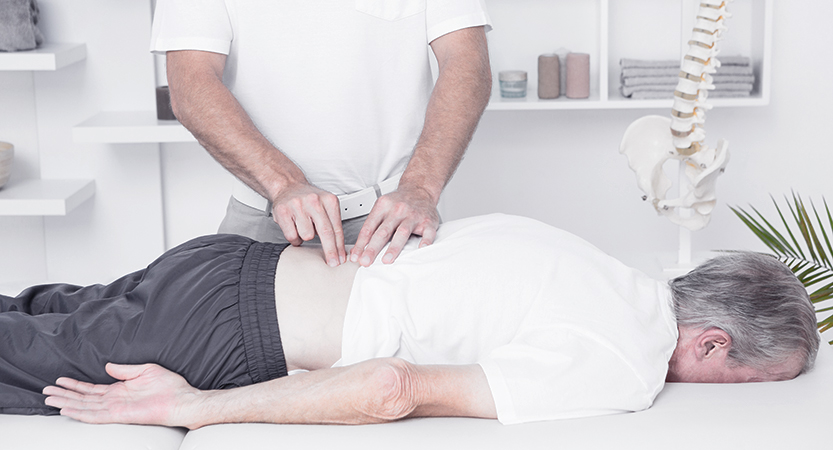
Osteopaths use touch and manipulation to diagnose and treat problems caused by these structural restrictions. Osteopathic treatment aims to remove these restrictions, and thus restore optimum function to the body tissues. To achieve this Osteopaths use techniques ranging from soft tissue stretching and manipulation using a so called structural approach, to the more gentle subtle techniques of Cranial Osteopathy. Osteopathy can often help to relieve chronic or minor problems, provide one-off relief from pain and dysfunction or contribute to the management of long-term complaints.
Osteopathy is recognised by the British Medical Association as a discrete medical discipline. Osteopaths have studied anatomy, physiology, pathology and general medical diagnosis, as well as Osteopathic diagnosis and technique. They are also qualified to perform standard medical examinations and recognise conditions that require further medical referral. If on presentation to the Osteopath, your condition is not appropriate for Osteopathic treatment, you will be advised and referred to your GP or an appropriate alternative.